The Ultimate Prompt Optimization Playbook for Project Managers: 50+ Battle-Tested Templates
Master the art of AI prompt engineering for project management with our comprehensive playbook. Get proven templates, optimization strategies, and real-world case studies.

The Ultimate Prompt Optimization Playbook for Project Managers: 50+ Battle-Tested Templates
In the rapidly evolving world of AI-powered project management, your ability to craft effective prompts can be the difference between mediocre results and transformational productivity gains. After working with over 200 project managers and analyzing thousands of AI interactions, we've compiled the definitive guide to prompt optimization specifically for project management contexts.
This comprehensive playbook contains everything you need to master AI prompt engineering, from foundational principles to advanced optimization techniques that can 10x your project management efficiency.
What You'll Find in This Playbook
🎯 The IMPACT Framework
Our proprietary methodology for creating high-performing prompts:
- Intent: Define clear objectives
- Model: Choose the right AI system
- Parameters: Set optimal configurations
- Audience: Tailor for stakeholders
- Context: Provide relevant background
- Testing: Iterate and improve
📋 50+ Ready-to-Use Templates
Battle-tested prompts for every PM scenario:
- Sprint planning and backlog management
- Stakeholder communication
- Risk assessment and mitigation
- Status reporting and updates
- Team coordination and feedback
- Resource allocation optimization
🔬 Advanced Optimization Techniques
Professional strategies used by top-performing teams:
- Chain-of-thought prompting for complex decisions
- Multi-shot examples for consistent outputs
- Context window optimization
- Error handling and fallback strategies
- Performance measurement and iteration
Preview: Sample Templates from the Playbook
Here's a taste of what you'll get in the full playbook:
Template 1: Sprint Planning Assistant
``` Role: You are an experienced Scrum Master with 10+ years in agile project management.
Context: Our development team has completed Sprint 8 with the following metrics:
- Velocity: 42 story points
- Completed stories: 8/10
- Carry-over work: 2 stories (5 points total)
- Team capacity next sprint: 80 hours
- Upcoming holidays/PTO: [specify dates]
Task: Create a comprehensive Sprint 9 plan that includes:
- Recommended story point allocation
- Risk assessment for each proposed story
- Dependencies and blockers identification
- Team member assignments based on skills
- Definition of Done criteria
Format: Provide output as structured sections with clear headings, bullet points for action items, and a summary table.
Constraints:
- Must account for technical debt allocation (20% of capacity)
- Consider team member skill development goals
- Include buffer time for unexpected issues (15%)
Example Output Format:
Sprint 9 Plan
Capacity: [X] story points Stories Selected: [List with points and assignees] Risk Level: [HIGH/MEDIUM/LOW with justification] Dependencies: [External blockers to track] ```
Template 2: Stakeholder Communication Generator
``` Role: You are a senior project manager known for clear, executive-level communication.
Context: Project Alpha is 60% complete with the following status:
- Timeline: 2 weeks behind original schedule
- Budget: 5% over budget due to scope changes
- Quality: All deliverables meeting acceptance criteria
- Team morale: HIGH, but concerns about timeline pressure
- Key milestone: Demo scheduled for [date]
Audience: C-level executives who prefer concise, action-oriented updates
Task: Generate a stakeholder update email that:
- Leads with key outcomes and business impact
- Addresses timeline concerns proactively
- Presents solutions, not just problems
- Includes specific next steps and decisions needed
- Maintains confidence while being transparent
Tone: Professional, confident, solution-focused Length: Maximum 200 words Format: Email with clear subject line and structured body
Include:
- Executive summary (2-3 sentences)
- Current status with metrics
- Issues and proposed solutions
- Required decisions/approvals
- Next milestone dates ```
Template 3: Risk Assessment Analyzer
``` Role: You are a risk management expert specializing in technology projects.
Context: Analyzing risks for [Project Name] with these characteristics:
- Duration: [X] months
- Team size: [X] people across [X] locations
- Budget: $[X]
- Technology stack: [List key technologies]
- External dependencies: [List key dependencies]
- Stakeholder complexity: [HIGH/MEDIUM/LOW]
Task: Conduct comprehensive risk analysis including:
- Risk identification across all categories
- Probability and impact assessment (1-5 scale)
- Risk score calculation (Probability × Impact)
- Mitigation strategies for top 5 risks
- Early warning indicators to monitor
- Contingency planning recommendations
Categories to analyze:
- Technical risks (architecture, integration, performance)
- Resource risks (availability, skills, turnover)
- External risks (vendor, regulatory, market)
- Schedule risks (dependencies, estimation, scope)
- Quality risks (testing, requirements, user acceptance)
Output format:
- Risk register table with scores
- Top 5 risks with detailed mitigation plans
- Monitoring dashboard recommendations
- Escalation triggers and procedures ```
Real-World Success Stories
Case Study 1: 40% Faster Sprint Planning
Company: Mid-size SaaS startup Challenge: Sprint planning meetings taking 4+ hours Solution: Implemented AI-assisted backlog prioritization and capacity planning Results:
- Planning time reduced from 4 hours to 2.4 hours
- 25% improvement in sprint completion rates
- Higher team satisfaction with sprint goals
Case Study 2: Automated Status Reporting
Company: Enterprise consulting firm Challenge: Project managers spending 6 hours/week on status reports Solution: AI-generated status updates from project data Results:
- 80% reduction in reporting time
- More consistent and comprehensive updates
- Improved stakeholder satisfaction scores
Case Study 3: Predictive Risk Management
Company: Healthcare technology company Challenge: Projects frequently derailed by unforeseen risks Solution: AI-powered risk analysis and early warning system Results:
- 60% reduction in project delays
- 35% improvement in budget adherence
- Proactive risk mitigation became standard practice
Advanced Optimization Strategies
The Iterative Refinement Process
-
Baseline Measurement
- Document current prompt performance
- Establish success metrics
- Create test scenarios
-
Systematic Testing
- A/B test different prompt variations
- Measure output quality and consistency
- Track time savings and accuracy
-
Continuous Improvement
- Regular prompt performance reviews
- Team feedback integration
- Best practice sharing across projects
Context Window Optimization
Learn how to maximize the effectiveness of your prompts within AI model limitations:
- Information prioritization techniques
- Context compression strategies
- Multi-turn conversation management
- Memory and state management
Error Handling and Fallbacks
Build robust prompt systems that handle edge cases:
- Input validation and sanitization
- Graceful degradation strategies
- Human-in-the-loop escalation
- Quality assurance checkpoints
The Science Behind Effective Prompts
Cognitive Load Theory Applied to AI
Understanding how AI models process information helps you structure prompts for optimal results:
- Working memory limitations
- Attention mechanisms
- Pattern recognition optimization
- Information hierarchy principles
Linguistic Patterns That Work
Research-backed techniques for clearer AI communication:
- Imperative vs. declarative structures
- Specificity vs. flexibility balance
- Cultural and contextual considerations
- Technical terminology optimization
Building Your Prompt Library
Organization Strategies
- Categorization by project phase
- Tagging system for quick retrieval
- Version control for prompt evolution
- Team sharing and collaboration
Quality Assurance
- Prompt testing protocols
- Performance benchmarking
- Regular review and updates
- Feedback collection systems
Scaling Across Teams
- Training and onboarding programs
- Governance and best practices
- Integration with existing tools
- Change management strategies
Future-Proofing Your Prompt Skills
Emerging AI Capabilities
Stay ahead of the curve with insights into:
- Multimodal AI integration
- Real-time collaboration features
- Advanced reasoning capabilities
- Industry-specific model fine-tuning
Evolving Best Practices
- Community-driven improvements
- Research-backed optimizations
- Tool integration strategies
- Measurement and analytics
Get Your Free Playbook Now
Ready to transform your project management with optimized AI prompts? Download our comprehensive playbook and start implementing these strategies today.
👆 Click here to download your free 120-page playbook
What You'll Get:
✅ 50+ battle-tested prompt templates for every PM scenario
✅ Advanced optimization strategies used by top-performing teams
✅ Real-world case studies with measurable results
✅ Step-by-step implementation guide for immediate impact
✅ Exclusive bonus content including video tutorials
✅ Regular updates with new templates and techniques
Get instant access to the complete playbook, plus exclusive insights from 200+ project managers who've transformed their workflows with AI.
Why This Playbook Is Different
Battle-Tested by Real Teams
Every template and strategy in this playbook has been validated by actual project managers working on real projects. We didn't just theorize—we tested, measured, and refined based on actual results.
Specifically for Project Management
While there are many general prompt engineering guides, this is the first comprehensive resource designed specifically for project management contexts, challenges, and workflows.
Continuously Updated
The AI landscape evolves rapidly. Your playbook comes with lifetime updates, ensuring you always have access to the latest techniques and best practices.
Community-Driven Improvements
Join a community of forward-thinking project managers who share insights, improvements, and new discoveries. Your playbook gets better as our community grows.
Start Your AI Transformation Today
The future of project management is here, and it's powered by AI. But success isn't just about having access to AI tools—it's about knowing how to use them effectively.
This playbook gives you that knowledge, distilled from hundreds of hours of research, testing, and real-world application. Whether you're just getting started with AI or looking to optimize your existing workflows, these templates and strategies will accelerate your journey.
Don't let your competitors get ahead while you're still figuring out the basics. Download your playbook now and start implementing these proven strategies immediately.
Ready to revolutionize your project management with AI? Join the NEXD.PM waitlist to be among the first to experience the future of AI-powered project management with visual prompt engineering.

This is the Nexd-Level Prompt Management.
The waitlist is now open for teams who want to build, not just prompt.
No spam. We'll only reach out when we're ready to launch.
Related Articles
Beyond a Chatbot: What an Integrated AI Agent Means for Your Projects
Your project management tool has a chatbot. That's cute. It's time to upgrade to an AI Agent that doesn't just answer questions, but takes action and manages tasks for you.
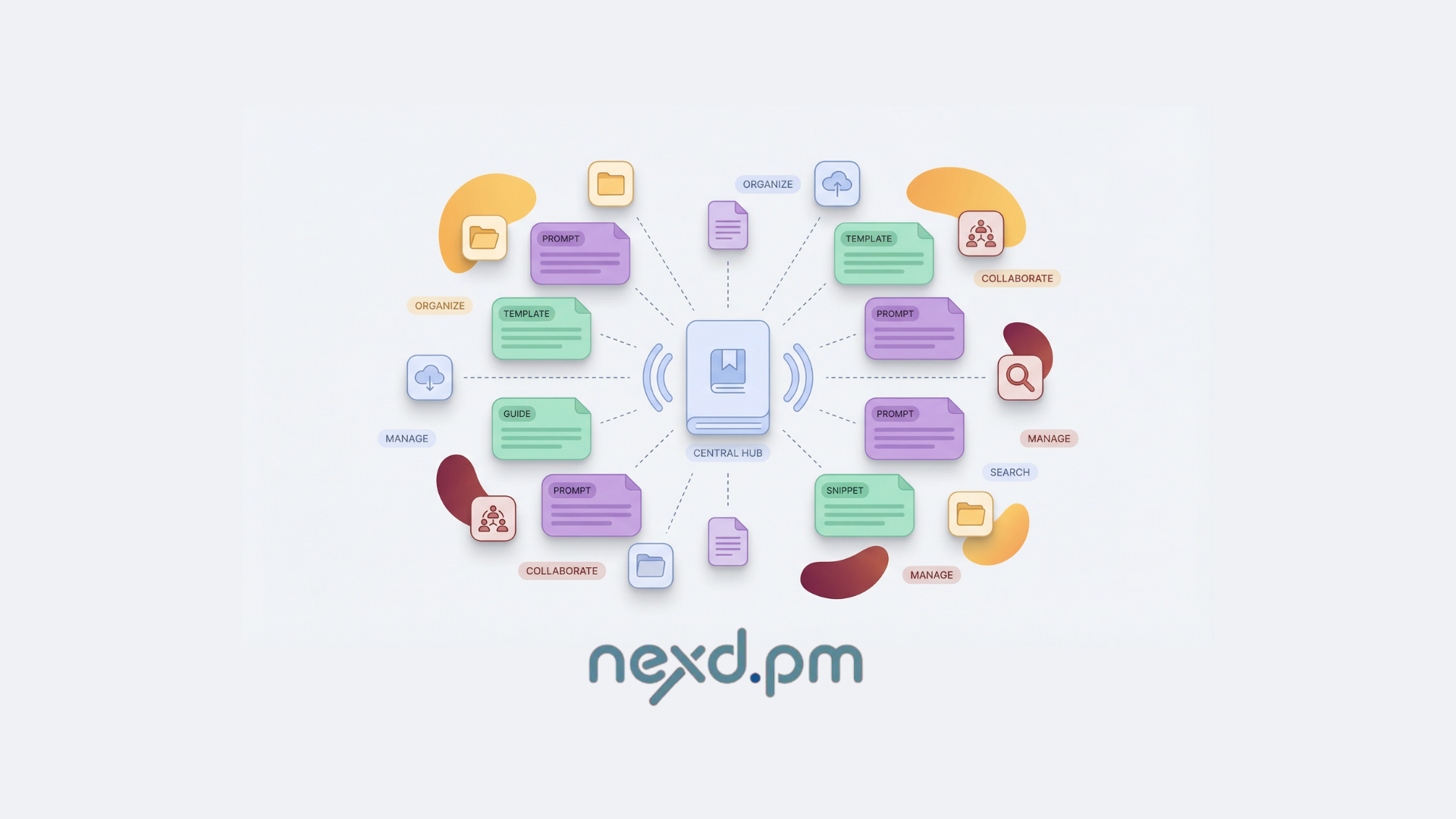
Why Your Team Needs a Centralized Prompt Management System
Your team is using AI, but are they using it effectively? Learn why scattered prompts lead to chaos and how a centralized system boosts consistency, efficiency, and quality.
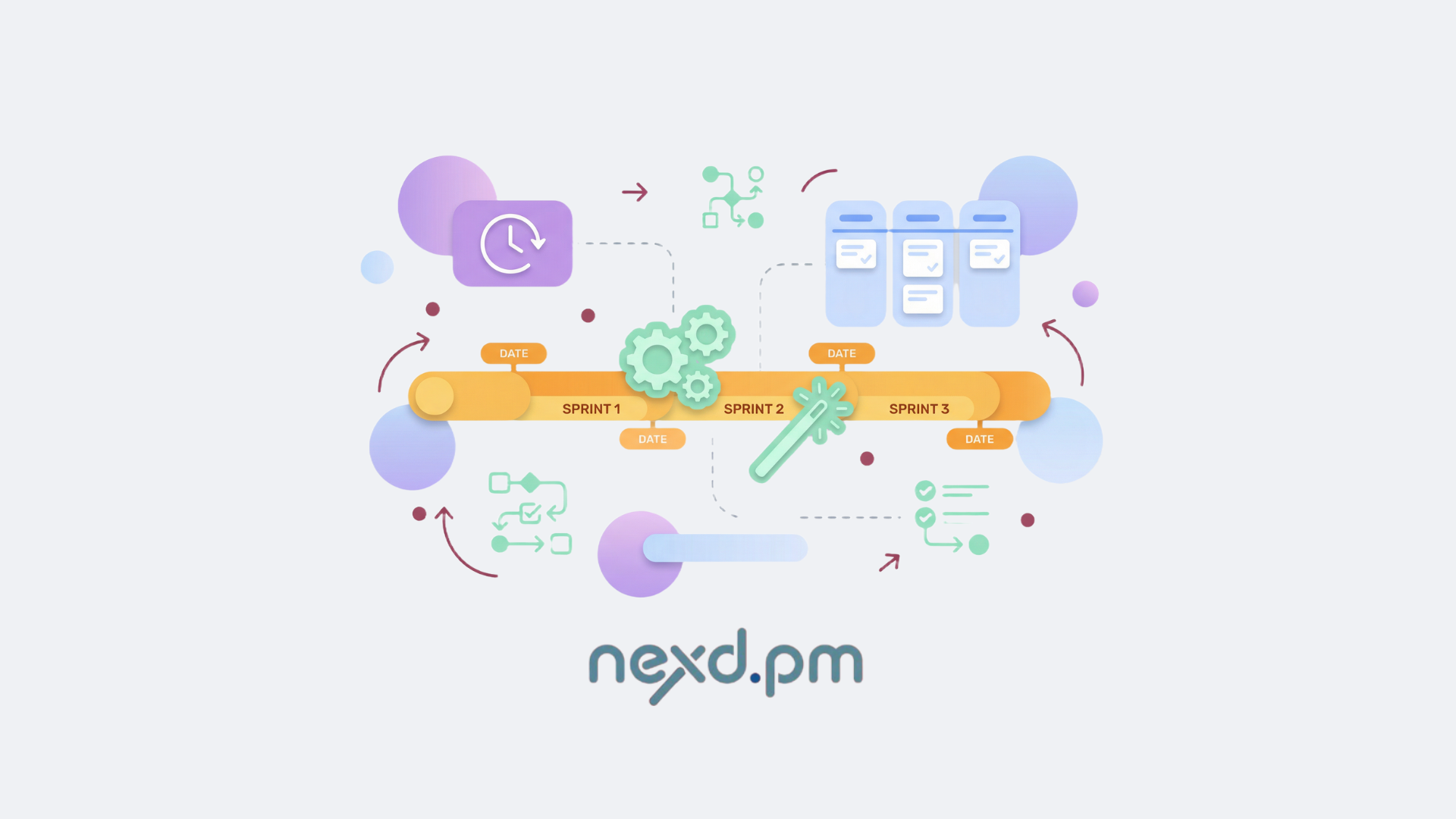
Automating Your Sprints: Using AI for Better Planning and Execution
Move beyond guesswork. Discover how AI supercharges your Agile sprints by automating planning, forecasting story points, balancing workloads, and predicting outcomes.